What Is a G-String? The Complete Guide to Invisible Underwear
Share
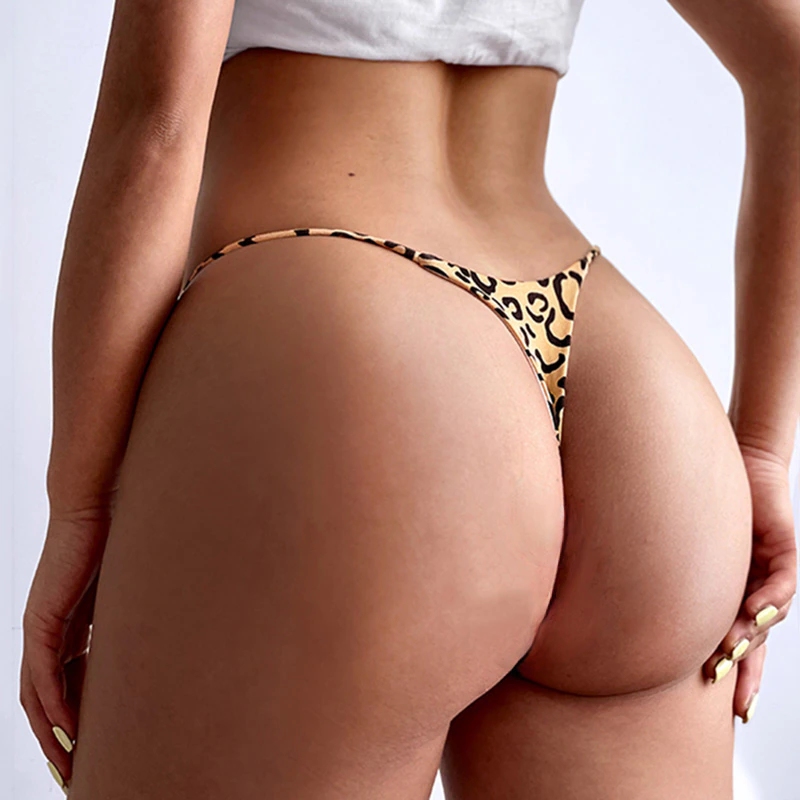
A G-string is a minimalist underwear style with a narrow triangular or oval front panel and a thin string at the back that sits between the buttocks, with no fabric covering the rear. It's the ultimate "no visible panty line" underwear — designed specifically to disappear under leggings, bodycon dresses, white pants, and any other outfit where a regular panty would show through.
In this guide, you'll learn exactly what makes a G-string different from a thong, who should (and shouldn't) wear one, and how to pick a comfortable pair for all-day wear. We'll also point you to a few best-selling styles at Irene's Secret.
What Exactly Is a G-string?
A G-string is an underwear style that uses the minimum possible fabric while still covering what needs to be covered. It has three parts:
- A front panel — usually triangular or oval, made of soft stretch fabric, that covers the front.
- A thin back string — typically less than 1 cm (about 0.4") wide — that runs between the buttocks.
- Side straps or a continuous elastic band — that connect the front and back pieces around the hips.
The result is underwear that, when worn under fitted clothing, leaves zero visible panty line (VPL) from waist to thigh. That's the entire reason the style exists.
Anatomy of a G-string: Design Features
Not all G-strings are built the same. Here's what to look at when you shop:
- Front panel shape: Triangular is the classic. Oval (sometimes called a "Tanga" or "V-string") gives a little more coverage. C-strings skip the side straps entirely and use one continuous string.
- Back string width: Wider strings (about 0.5" / 1.3 cm) are noticeably more comfortable for all-day wear than razor-thin 0.25" styles.
- Fabric: Cotton and modal are breathable for daily use; lace and microfiber are popular for special occasions; seamless knit is the most invisible under tight clothing.
- Waistband: Can sit on the hips (low-rise), at the natural waist (mid-rise), or above the navel (high-rise). Match to the rise of your outfit.
G-string vs Thong: What's the Actual Difference?
This is the most common question we get, so here's a side-by-side breakdown:
| Feature | G-string | Thong |
|---|---|---|
| Back coverage | None — just a string between the buttocks | Narrow triangular or rectangular panel |
| Visible panty line | None, even under sheer clothing | None, but the wider back can show in very tight knits |
| Comfort for all-day wear | Moderate — some women find the thin string irritating after 6+ hours | Generally higher — more surface area, less friction |
| Best for | Sheer dresses, white pants, performance wear | Everyday, leggings, bodycon, workwear |
| Fabric used | Lace, microfiber, stretch mesh | Cotton, modal, microfiber, seamless knit |
Bottom line: If you need absolute invisibility under ultra-fitted or sheer clothing, go with a G-string. If you want no-VPL comfort you can wear all day, a thong is the safer bet.
When to Wear a G-string (And When to Skip One)
Great occasions for a G-string:
- Under bodycon dresses, leggings, or white pants where any line would show
- Under backless or low-back evening wear (try a C-string for these)
- Under swimwear when you want zero tan lines
- For dance, gymnastics, or performance costumes that need a smooth silhouette
Skip the G-string for:
- Long days at a desk (8+ hours of sitting can chafe the back string)
- High-intensity workouts (a proper sports brief is more supportive and hygienic)
- Any day you're already uncomfortable — wear whatever makes you feel your best
How to Make a G-string Comfortable All Day
- Pick the right size. Going one size up dramatically reduces "cheek cutting" and string snap.
- Look for flat seams. Raised or rough seams are the #1 cause of irritation.
- Choose a wider back string. 0.5" or wider sits flatter and feels less like dental floss.
- Try a seamless or modal-blend fabric. Modal and microfiber have a soft hand-feel that cotton doesn't.
- Adjust the straps so the front panel sits flat. If the front is bunching, the back string is too tight.
Best-Selling G-string & Thong Styles at Irene's Secret
If you're ready to try one, these are our most-loved low-rise and backless styles for 2026:
Best Value: 12-Pack Wave-Edge Seamless Low-Waist Thong
Soft seamless low-rise style that disappears under everything — a customer favorite for leggings and bodycon fits.
No side straps, just one continuous string — perfect under backless evening wear and beach cover-ups.
Frequently Asked Questions
Is a G-string the same as a thong?
No, but they're related. A thong has a small triangular or rectangular panel of fabric at the back, while a G-string replaces that panel with a thin string. Both styles are designed to eliminate VPL.
Are G-strings hygienic?
Yes — the same hygiene rules apply as for any underwear: change daily, wash after each wear, and choose breathable fabrics (cotton, modal) for everyday use. The thin back string actually has less fabric in contact with skin than a traditional panty.
Can I wear a G-string every day?
You can, but most women find that rotating between G-strings, thongs, and full-coverage briefs is the most comfortable long-term approach. Listen to your body — if you notice any irritation, switch to a fuller-coverage style for a few days.
What size G-string should I buy?
Use your usual underwear size for most styles. If you're between sizes, size up — a too-small G-string is the most common cause of discomfort. See our bra size guide for help measuring yourself at home.
Will a G-string show under leggings?
A properly fitted G-string should be completely invisible under leggings, bodycon dresses, and white pants — that's the entire point of the style. If you can see lines, the waistband is too tight or the fabric is too thick.
Shop G-strings & Thongs at Irene's Secret
Browse the full panties and thong collection — every style is hand-tested for all-day comfort and available in US sizes XS through 3XL. Free US shipping over $59 and 30-day easy returns.